
- Specialities
- Urology
- Gynaecology
- Proctology
- Aesthetics
- Orthopedics
- Fertility
- Ent
- Vascular
- Ophthalmology
- Dermatology
- General Physician
 080-6542-3714
Cardiac Disease Treatment Treatment in Delhi
Treatment & Care
Effective, evidence-based cardiac disease treatment in Delhi ensures better heart health and quicker recovery using modern techniques.

 Call Us: 080-6542-3714
Advanced Cardiac Disease Treatment in Delhi with high success rates.
In Delhi, patients benefit from cutting-edge cardiac disease treatment delivered by seasoned cardiologists and supported by state-of-the-art medical facilities. Addressing conditions ranging from coronary artery disease to heart failure, Delhi provides thorough care through evidence-based methodologies. The city offers minimally invasive procedures, interventional cardiology, and cardiac rehabilitation to promote optimal heart health. Known for its high success rates and patient-centric approach, most individuals in Delhi return to their regular activities within a few days post-treatment.
Identifying Cardiac Disease: Key Warning Signs to Watch For
Early detection of symptoms is crucial; consult a healthcare professional for timely cardiac assessment and care.

Pain in the chest area
Feeling of tightness or pressure in the chest

Difficulty in breathing
Experiencing breathlessness at rest or during activity

Abnormal heart rhythm
Sensation of a fluttering or racing heart

Fatigue without clear reason
Ongoing tiredness with no apparent cause

Feeling dizzy or fainting
Sudden lightheadedness or balance loss

Swelling in legs or feet
Leg swelling due to fluid accumulation


Warning Signs of Severe cardiac disease treatment
Seek Emergency Care Immediately if:
Seek Emergency Care Immediately if:
 Immediate CPR needed for sudden cardiac arrest. Onset of acute myocardial infarction requires attention. Episode of severe unstable angina needs urgent care. Acute heart failure with fluid buildup requires treatment. Detected life-threatening arrhythmia needs intervention.
- Immediate CPR needed for sudden cardiac arrest.
- Onset of acute myocardial infarction requires attention.
- Episode of severe unstable angina needs urgent care.
- Acute heart failure with fluid buildup requires treatment.
- Detected life-threatening arrhythmia needs intervention.
Meet Our Best cardiac disease treatment Specialists
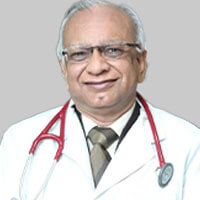
Dr. Sunil Sobti
MBBS, MD-General Medicine
 Free Consultation
 40 Years Experience
 Pristyn Care Elantis Hospital, Lajpat Nagar, Delhi
 MEDICAL INSIGHT
Factors leading to cardiac disease and their health impacts.
Risk factors such as high blood pressure, elevated cholesterol, diabetes, smoking, and obesity contribute to the development of cardiac disease by damaging arteries and compromising heart function over time.
Hypertension stands as a primary cause of cardiac disease, impacting millions worldwide annually.
 Elevated Blood Pressure
 Unhealthy Eating Habits
 Inherited Health Traits
 Inactive Lifestyle
Ready to get the right care?
At-risk individuals?
Awareness of risk factors aids early cardiac disease management.
Elevated blood pressure impacts heart health.
Prolonged high BP can increase heart disease risk.

Diabetes and obesity affect heart health.
Excess weight and high blood sugar strain the heart.

Genetic factors influence heart disease risk.
Family history of heart issues raises personal risk.

Inactivity and smoking harm heart health.
Avoid tobacco and inactivity to lower heart risks.

The Critical Phase
Prompt medical action during acute cardiac episodes greatly lowers the chance of serious, lasting complications.
ALWAYS HOSPITALIZE HIGH-RISK PATIENTS
Issues that may arise during cardiac disease treatment.
Awareness of possible risks aids in better cardiac disease management and recovery for patients and caregivers.

Heart failure condition
Inefficient heart muscle pumping can cause fluid buildup and breathing issues.

Irregular heartbeats
Ongoing medical care is needed for irregular heart rhythms affecting blood flow.

Increased stroke risk
Cardiac-related blood clots may travel to the brain, elevating stroke risk.

 Nearest Clinic
Therapy & Healing
Evidence-based cardiac care with advanced treatment and monitored recovery

Therapy for heart health.
Effective symptom management and cardiac risk reduction via medications.

Care through surgery.
Fast recovery with minimally invasive surgical techniques.

Rehabilitation for heart.
Programs to regain strength and enhance heart performance.


Advanced In-Patient Care
Our cardiac unit provides round-the-clock monitoring, cutting-edge imaging, and a specialized multidisciplinary team for thorough inpatient heart care.
 CRITICAL ALERT
Consult a healthcare professional promptly for chest pain, shortness of breath, or heart palpitations.
 Avoid Ibuprofen
 Limit Salt Intake
 Quit Smoking Now
Consult a professional before any medication.
Urgent intervention needed for cardiac health issues.
Life-threatening cardiac emergencies demand immediate medical attention upon symptom onset.
 Emergency Hotline


Prevention: Your top defense against cardiac disease.
Adopting healthy habits greatly reduces cardiac disease risk.

Adopt Heart-Healthy Diet
Opt for fruits, veggies, whole grains; cut down on fats and salt.

Engage in Regular Exercise
Target 30 minutes of moderate activity on most days.

Cease Tobacco Use
Eliminating tobacco lowers heart disease and related risks.

Track Health Metrics
Frequent checks of BP, cholesterol, and glucose for early detection.


Your health is our
sole priority.
Need Expert Medical Consultation?
Our network of cardiac disease treatment specialists are available for immediate clinical evaluation and personalized recovery planning.

Frequently Asked Questions
Effective cardiac disease treatment involves medications, lifestyle modifications, minimally invasive procedures, or surgery to enhance heart function and manage heart conditions.
Advanced cardiac surgery employs minimally invasive techniques with high success rates. Experienced teams manage risks to ensure safer patient outcomes.
 Call Us
 Book Appointment


