
- Specialities
- Urology
- Gynaecology
- Proctology
- Aesthetics
- Orthopedics
- Fertility
- Ent
- Vascular
- Ophthalmology
- Dermatology
- General Physician
 080-6542-3714
Respiratory Infection Treatment Treatment in Delhi
Treatment & Care
Modern therapies and advanced diagnostics in Delhi ensure effective respiratory infection treatment and quicker recovery for most patients.

 Call Us: 080-6542-3714
Advanced Respiratory Infection Treatment in Delhi with high success rates.
Respiratory infections impact the airways and lungs, leading to symptoms such as cough, fever, and breathing issues. In Delhi, skilled specialists provide evidence-based care using cutting-edge diagnostic equipment and contemporary therapies. Regardless of whether the infection is bacterial, viral, or fungal, prompt and precise treatment is crucial to avoid complications. Most patients show positive responses to specific medications and supportive care, allowing them to return to their daily routines within a few days.
Cautionary Indicators
If you encounter any of these respiratory cautionary indicators, consult a healthcare professional promptly

Intense difficulty in breathing
Abrupt breathing difficulty at rest

Elevated body temperature
Continuous fever exceeding 103°F

Pain in the chest area
Acute pain during breath or cough

Cyanosis of the lips
Bluish hue on lips or finger ends

Hemoptysis during coughing
Presence of blood in coughed mucus

Change in mental awareness
Sudden mental confusion or unawareness


Warning Signs of Severe respiratory infection treatment
Seek Emergency Care Immediately if:
Seek Emergency Care Immediately if:
 Intense respiratory distress or severe breathing issues Bluish discoloration of lips or fingertips Persistent coughing with blood in sputum High fever accompanied by stiff neck or rash Abrupt confusion or decreased alertness
- Intense respiratory distress or severe breathing issues
- Bluish discoloration of lips or fingertips
- Persistent coughing with blood in sputum
- High fever accompanied by stiff neck or rash
- Abrupt confusion or decreased alertness
Meet Our Best respiratory infection treatment Specialists

Dr. Sunil Sobti
MBBS, MD-General Medicine
 Free Consultation
 40 Years Experience
 Pristyn Care Elantis Hospital, Lajpat Nagar, Delhi
Dr Pratima Verma
MBBS
Free Consultation 34 Years Experience Pristyn Care Elantis Hospital, Lajpat Nagar, Delhi MEDICAL INSIGHT
Factors leading to respiratory infection development.
Airway invasion by viruses, bacteria, or fungi causes respiratory infections. Contributing factors encompass compromised immunity, pollutant exposure, and proximity to infected persons.
Influenza and rhinovirus are frequent causes of upper and lower respiratory infections.
 Virus-induced respiratory issues
 Bacterial respiratory threat
 Compromised immune system
 Polluted air impact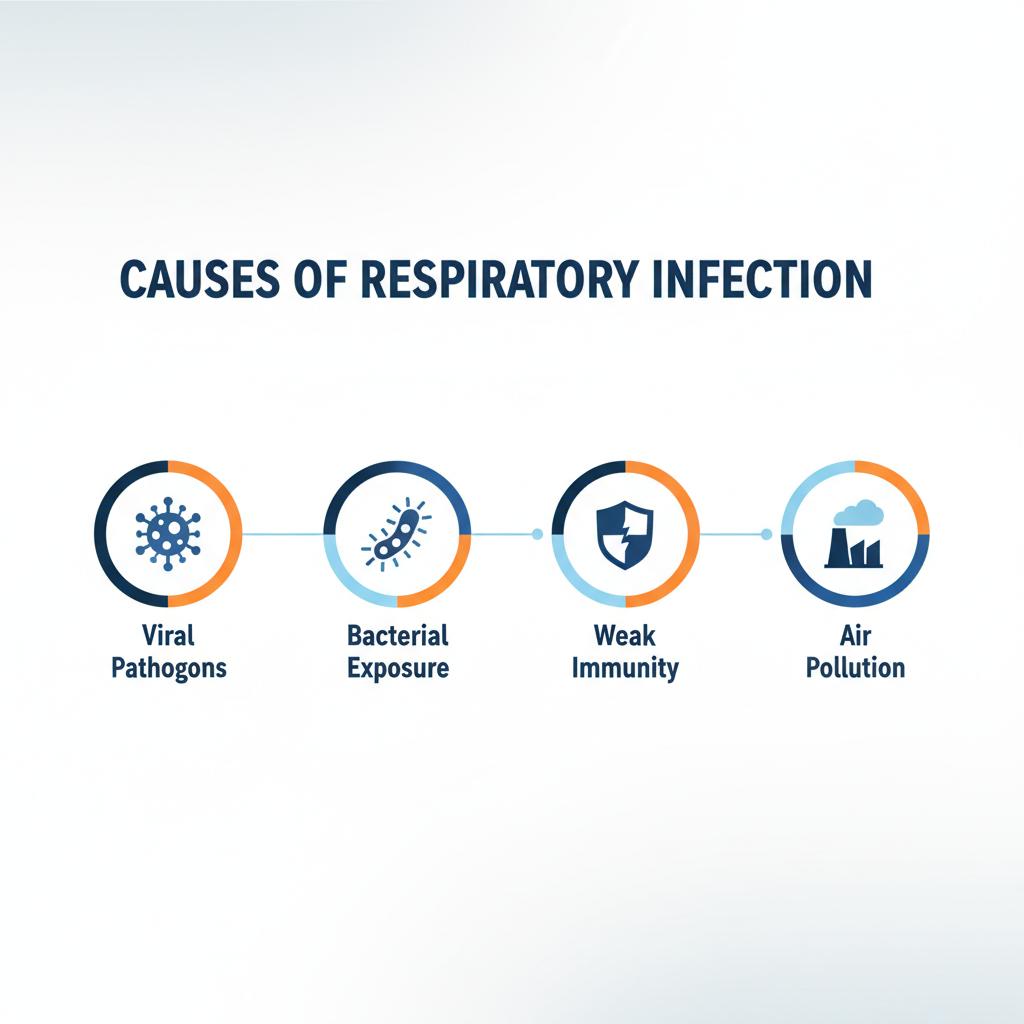
Ready to get the right care?
At-risk individuals for respiratory infections?
Some groups face higher vulnerability to respiratory infections, requiring timely medical care.

Children with young immune systems
Infants and toddlers, with developing immune systems, are highly susceptible to infections.

Elderly with reduced immunity
Adults over 65, with weakened immunity, face higher risks of severe respiratory illness.

Patients with ongoing health issues
Those with asthma, COPD, or diabetes face higher risks of complications from respiratory infections.

People with weakened immune systems
Individuals on immunosuppressants or with HIV are more prone to serious respiratory complications.

The Critical Phase
Get immediate medical help for high fever, fast breathing, chest pain, or blue lips, as these indicate serious issues.
ALWAYS HOSPITALIZE HIGH-RISK PATIENTS
Potential issues
Severe or untreated respiratory infections can cause serious complications needing quick medical care.

Pneumonia
Lung tissue infection by bacteria can cause pneumonia, often requiring hospitalization.

Chronic Bronchitis
Long-term airway inflammation from repeated infections can cause persistent cough.

Sepsis Risk
Infections in vulnerable patients can lead to sepsis, a critical condition.

 Nearest Clinic
Therapy & Healing
Advanced care strategies for managing respiratory infections and aiding recovery

Use of medication
Prescription of antibiotics or antivirals depends on infection type.

Hydration and rest
Faster recovery in most cases with sufficient rest and fluids.

Care for follow-up
Monitoring progress and preventing relapse through routine follow-ups.
 CRITICAL ALERT
Consult a healthcare provider promptly if respiratory symptoms intensify or fever lasts over 3 days.
 Avoid self-meds
 Avoid cold drinks
 Avoid smoke
Consult a professional before any medication.
Urgent Intervention Needed for Respiratory Symptoms
If respiratory symptoms worsen, seek emergency medical care promptly.
 Emergency Hotline


Guard against respiratory infections with effective prevention strategies.
Adopting straightforward daily routines can markedly reduce respiratory infection risks.

Clean hands regularly
Frequent hand washing with soap for 20 seconds removes germs.

Keep vaccinations up-to-date
Yearly flu and pneumonia shots provide strong infection defense.

Minimize close interactions
Keep distance from sick people to lower infection chances.

Enhance your immune system
A balanced diet, good sleep, and exercise boost immune health.


Your health is our
sole priority.
Need Expert Medical Consultation?
Our network of respiratory infection treatment specialists are available for immediate clinical evaluation and personalized recovery planning.

Frequently Asked Questions
Effective treatment for respiratory infections involves antibiotics for bacterial cases, antivirals for viral infections, rest, hydration, and supportive care to alleviate symptoms and restore normal breathing.
Consult a healthcare provider if you have a high fever, trouble breathing, chest pain, or symptoms persisting over a week, as timely treatment can help prevent complications.
 Call Us
 Book Appointment


