
- Specialities
- Urology
- Gynaecology
- Proctology
- Aesthetics
- Orthopedics
- Fertility
- Ent
- Vascular
- Ophthalmology
- Dermatology
- General Physician
 080-6542-3714
Skin Redness Treatment in Delhi
Treatment & Care
Advanced, evidence-based skin redness treatment in Delhi offers lasting relief and healthier skin.

 Call Us: 080-6542-3714
Effective Solutions for Skin Redness in Delhi
Red skin may be due to rosacea, allergies, inflammation, or sensitive skin. Our Delhi clinic provides cutting-edge, evidence-based treatments customized to your skin type and specific condition. Utilizing contemporary diagnostic methods and effective therapies, including laser-assisted options when suitable, our dermatologists aim to diminish redness and rejuvenate your skin. With a tailored treatment plan, most patients experience significant improvement.
Identifying Redness: Potential Skin Condition Indicators
Be vigilant for signs that could suggest a significant skin health issue

Redness that is spreading
Rapidly expanding skin rash

Swelling is present
Puffiness around reddened skin

Warmth that persists
Skin feels hot when touched

Sores that are open
Formation of blisters or wounds

Rash accompanied by fever
High temperature with skin redness

Intense itching sensation
Unrelenting, intense skin irritation


Warning Signs of Severe skin redness
Seek Emergency Care Immediately if:
Seek Emergency Care Immediately if:
 Abrupt rash accompanied by respiratory distress. Reddened skin with elevated fever and disorientation. Extensive red skin blisters covering large areas. Reddened skin following chemical or burn contact. Rash with noticeable swelling of lips or throat.
- Abrupt rash accompanied by respiratory distress.
- Reddened skin with elevated fever and disorientation.
- Extensive red skin blisters covering large areas.
- Reddened skin following chemical or burn contact.
- Rash with noticeable swelling of lips or throat.
Meet Our Best skin redness Specialists
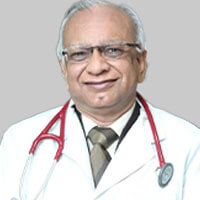
Dr. Sunil Sobti
MBBS, MD-General Medicine
 Free Consultation
 40 Years Experience
 Pristyn Care Elantis Hospital, Lajpat Nagar, Delhi
Dr Pratima Verma
MBBS
Free Consultation 34 Years Experience Pristyn Care Elantis Hospital, Lajpat Nagar, Delhi MEDICAL INSIGHT
Factors leading to skin redness and their medical causes.
Increased blood flow to the skin surface due to inflammation, allergies, infections, or irritants results in skin redness. Rosacea and eczema are prevalent chronic conditions causing ongoing skin redness in many adults.
 Allergy-induced redness
 Infectious skin redness
 Sun-induced redness
 Inflammation-caused redness
Ready to get the right care?
At-risk individuals for skin redness: who should be concerned?
Some people are more likely to experience skin redness because of health or lifestyle reasons.

Skin sensitivity in certain individuals
Naturally sensitive skin reacts more to irritants and temperature changes.

Autoimmune disorders and skin redness
Lupus and rosacea increase chances of persistent skin redness.

People prone to allergies and skin issues
Allergies to foods or skincare products increase skin flare-up risk.

Individuals working outdoors
Prolonged sun exposure increases UV-induced skin redness risk.

The Critical Phase
Immediate medical assessment is advised if redness quickly spreads, induces swelling, or is coupled with fever or pain.
ALWAYS HOSPITALIZE HIGH-RISK PATIENTS
Potential issues
Neglecting skin redness may lead to severe conditions needing medical intervention and sophisticated treatment.

Dermal Infections
Ongoing redness can foster bacterial or fungal growth, heightening inflammation.

Long-term Skin Scars
Frequent outbreaks or scratching may result in permanent skin changes or scarring.

Bodywide Inflammation
In extreme instances, root causes can induce extensive inflammation impacting internal organs.

 Nearest Clinic
Therapy & Healing
Advanced methods for addressing skin redness and promoting recovery

Topical treatment option.
Effective creams prescribed to reduce skin redness and inflammation.

Oral meds for redness.
Antihistamines or antibiotics prescribed for severe skin issues.

Laser therapy available.
Minimal downtime with laser-assisted therapy for persistent redness.


Advanced In-Patient Care
Severe skin redness cases receive advanced in-patient care with IV antibiotics and monitored wound treatment.
 CRITICAL ALERT
Get prompt medical attention if redness quickly spreads or fever occurs.
 Avoid hot baths
 Avoid scratching skin
 Avoid self-treatment
Consult a professional before any medication.
Urgent intervention needed for skin redness.
Rapidly spreading skin redness with severe symptoms warrants emergency care.
 Emergency Hotline


Guard against skin redness with proactive prevention strategies.
Adopting straightforward daily routines can significantly lower skin redness risk.

Protect Skin from Sun
Daily use of SPF 30+ sunscreen shields skin from UV rays.

Opt for Mild Skincare
Fragrance-free, hypoallergenic products prevent skin irritation.

Maintain Skin Hydration
Regular hydration and moisturization support skin health.

Avoid Skin Irritants
Reduce alcohol, spicy foods, and heat to prevent skin flushing.


Your health is our
sole priority.
Need Expert Medical Consultation?
Our network of skin redness specialists are available for immediate clinical evaluation and personalized recovery planning.

Frequently Asked Questions
Rosacea, allergies, eczema, sunburn, or irritation can cause skin redness. Identifying the cause is crucial for effective, targeted treatment.
A dermatologist uses physical examination, patch tests, or allergy screening to evaluate skin redness and recommend appropriate treatment.
 Call Us
 Book Appointment


