
- Specialities
- Urology
- Gynaecology
- Proctology
- Aesthetics
- Orthopedics
- Fertility
- Ent
- Vascular
- Ophthalmology
- Dermatology
- General Physician
 080-6542-3714
Sleep Disorder Treatment Treatment in Delhi
Treatment & Care
Advanced, evidence-based sleep disorder treatment in Delhi for improved well-being and healthy sleep.

 Call Us: 080-6542-3714
Effective Sleep Disorder Solutions Available in Delhi Clinics
Experiencing difficulty sleeping or irregular sleep patterns? In Delhi, expert treatment for sleep disorders provides evidence-based solutions for issues such as insomnia, sleep apnea, and restless leg syndrome. Utilizing cutting-edge diagnostic equipment and contemporary therapeutic strategies, specialists in Delhi develop customized treatment plans aimed at reestablishing normal sleep patterns. With safe and effective treatment options tailored to individual needs, most patients in Delhi report notable enhancements in their sleep quality.
Alert: Indicators
Identify symptoms early for prompt sleep disorder assessment

Noisy snoring during sleep periods.
Disruptive snoring occurring nightly.

Excessive sleepiness during daytime.
Daytime drowsiness that is uncontrollable.

Trouble initiating sleep at night.
Inability to fall asleep for hours.

Frequent awakenings during the night.
Repeated night awakenings are common.

Headaches experienced in the morning.
Daily headaches upon waking up.

Emotional disturbances from poor sleep.
Poor sleep causing irritability or anxiety.


Warning Signs of Severe sleep disorder treatment
Seek Emergency Care Immediately if:
Seek Emergency Care Immediately if:
 Intermittent cessation of breathing during sleep. Severe sleep apnea with significant oxygen decline. Narcolepsy leading to sudden physical collapse. Violent sleepwalking posing injury risks. Severe insomnia with potential psychotic symptoms.
- Intermittent cessation of breathing during sleep.
- Severe sleep apnea with significant oxygen decline.
- Narcolepsy leading to sudden physical collapse.
- Violent sleepwalking posing injury risks.
- Severe insomnia with potential psychotic symptoms.
Meet Our Best sleep disorder treatment Specialists

Dr. Richa Mina
MBBS, DLO | Otorhinolaryngologist
 Free Consultation
 21 Years Experience
 Pristyn Care La Midas, Main, Nathupur Rd, nr. 38, DLF Phase 3, Sector 24, Gurugram, Haryana 122002
Dr. Pratibha Desai
MBBS, DLO & DNB-ENT
Free Consultation 15 Years Experience Pristyn Care Elantis Hospital, Lajpat Nagar, Delhi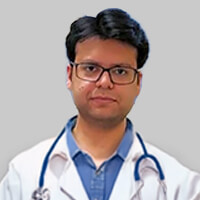
Dr. Abhishek Mittal
MBBS, MS-ENT
Free Consultation 12 Years Experience 140, Pocket 11, Sector 24, Rohini MEDICAL INSIGHT
Underlying factors leading to sleep disorder development.
Stress, anxiety, bad sleep habits, or health issues can cause sleep disorders. Lifestyle and mental health often play a role.
Leading causes include chronic stress and irregular sleep patterns.
 Manage chronic stress.
 Address anxiety issues.
 Improve sleep habits.
 Treat underlying conditions.
Ready to get the right care?
At-risk individuals?
Anyone can develop sleep disorders, yet some groups are more susceptible.

Elderly individuals face unique sleep challenges.
Aging alters sleep patterns, heightening insomnia and apnea risks.

People under high stress struggle with sleep.
Persistent stress and anxiety often cause ongoing sleep issues.

Sleep issues common in shift work.
Unpredictable work schedules disturb natural sleep cycles.

Health issues can lead to sleep problems.
Conditions like obesity and diabetes increase sleep disorder risks.

The Critical Phase
Persistent symptoms warrant prompt medical assessment to mitigate future health issues.
ALWAYS HOSPITALIZE HIGH-RISK PATIENTS
Health issues may arise.
Neglecting sleep disorders poses severe risks to physical and mental health.

Heart disease risk
Chronic lack of sleep can elevate the chances of high blood pressure, heart issues, and stroke.

Psychological effects
Long-term sleep issues are associated with anxiety, depressive disorders, and reduced mental clarity.

Hormonal imbalances
Inadequate sleep may lead to weight gain, diabetes, and disrupted hormone levels.

 Nearest Clinic
Therapy & Healing
Proven, research-backed methods to regain normal sleep cycles

Therapy Choices
Effective first-line treatments include CBT-I and relaxation techniques.

Medication Management
Short-term use of prescribed sleep aids under medical supervision.

Improvement Period
Enhanced sleep quality observed within weeks for most patients.


Advanced In-Patient Care
In-patient care offers sleep studies, monitored therapy, and tailored plans for intricate sleep disorders.
 CRITICAL ALERT
Avoid self-medication for sleep issues, as it can severely exacerbate symptoms.
 Avoid Self-Med
 Avoid Alcohol
 Avoid Screens
Consult a professional before any medication.
Urgent intervention needed for severe sleep disorder symptoms.
Prompt medical attention is crucial for severe sleep disorder symptoms.
 Emergency Hotline


Prevention: Your top defense against sleep disorders.
Adopting healthy habits can markedly lower sleep disorder risks.

Consistent sleep routine
Maintain a regular bedtime and wake-up time to stabilize your body's internal clock.

Reduce screen exposure
Refrain from using screens one hour prior to sleeping to enhance melatonin release.

Monitor your nutrition
Avoid consuming caffeine, alcohol, and large meals near bedtime to improve sleep quality.

Control stress levels
Engage in relaxation methods such as deep breathing or meditation before going to bed.
What Our Patients Say
Based on 12 Recommendations | Rated 4.6 Out of 5



Your health is our
sole priority.
Need Expert Medical Consultation?
Our network of sleep disorder treatment specialists are available for immediate clinical evaluation and personalized recovery planning.

Frequently Asked Questions
Effective sleep disorder treatment involves therapy, medication, lifestyle adjustments, and advanced methods like CPAP therapy to enhance sleep quality and health.
Sleep apnea treatment often includes CPAP devices, oral appliances, weight management, and sometimes minimally invasive surgeries for sustained relief.
 Call Us
 Book Appointment


