
- Specialities
- Urology
- Gynaecology
- Proctology
- Aesthetics
- Orthopedics
- Fertility
- Ent
- Vascular
- Ophthalmology
- Dermatology
- General Physician
 080-6542-3714
Tuberculosis Treatment Treatment in Delhi
Treatment & Care
Effective tuberculosis treatment in Delhi using modern diagnostics and evidence-based therapies for quicker recovery.

 Call Us: 080-6542-3714
Effective Tuberculosis Treatment in Delhi with advanced medical techniques.
Tuberculosis (TB), a bacterial infection, necessitates prompt, organized medical intervention. In Delhi, seasoned experts provide evidence-based TB treatment adhering to standard DOTS (Directly Observed Treatment, Short-course) protocols. Utilizing sophisticated diagnostic equipment and potent anti-TB drugs, physicians strive for high success rates in treating both pulmonary and extra-pulmonary TB. Early detection and regular treatment are crucial for recovery and averting drug resistance.
Caution: Recognize signs while undergoing tuberculosis therapy.
Be vigilant for symptoms and seek medical advice immediately during TB therapy.

Fever that does not go away
Fever over 3 days needs medical attention

Coughing up blood urgently
Urgent care needed for bloody sputum

Feeling very tired and weak
Severe fatigue impacting daily activities

Pain in the chest area
Intense or increasing chest pain

Yellowing of skin or eyes
Yellow skin or eyes may indicate liver issues

Changes in vision during treatment
Blurred vision during therapy needs check


Warning Signs of Severe Tuberculosis Treatment
Seek Emergency Care Immediately if:
Seek Emergency Care Immediately if:
 Experiencing significant blood in cough Acute chest pain or sudden collapse Elevated fever and breathing difficulty Mental confusion or unconsciousness Intense neck stiffness and headache
- Experiencing significant blood in cough
- Acute chest pain or sudden collapse
- Elevated fever and breathing difficulty
- Mental confusion or unconsciousness
- Intense neck stiffness and headache
Meet Our Best Tuberculosis Treatment Specialists
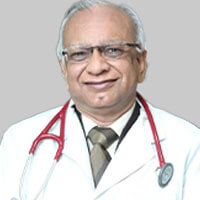
Dr. Sunil Sobti
MBBS, MD-General Medicine
 Free Consultation
 40 Years Experience
 Pristyn Care Elantis Hospital, Lajpat Nagar, Delhi
Dr Pratima Verma
MBBS
Free Consultation 34 Years Experience Pristyn Care Elantis Hospital, Lajpat Nagar, Delhi MEDICAL INSIGHT
Tuberculosis origins: Mycobacterium tuberculosis infection.
Airborne droplets from coughs or sneezes of infected individuals spread Mycobacterium tuberculosis, causing tuberculosis.
TB bacteria may stay dormant in the body for years before turning into active disease.
 Microbial Infestation
 Compromised Defenses
 Proximity Exposure
 Concurrent HIV
Ready to get the right care?
At-Risk Individuals for Tuberculosis Infection
Some people have a higher susceptibility to tuberculosis infection and its progression to active disease.

Compromised Immune System
Individuals with HIV, diabetes, or those on immunosuppressive treatments are at increased TB risk.

Prolonged Exposure to TB Patient
Proximity to an active TB case at home or work heightens infection risk.

Poor Nutrition & Health Status
Malnourished persons exhibit lower immunity, increasing TB susceptibility.

Areas with High TB Incidence
People living in or visiting TB-prevalent regions face higher exposure risks.

The Critical Phase
Timely diagnosis and full treatment completion greatly lower the risk of severe issues.
ALWAYS HOSPITALIZE HIGH-RISK PATIENTS
Issues
Neglected or inadequately treated TB may cause severe health issues impacting various organs.

Pulmonary impairment
Long-term TB can lead to lung scarring, diminished capacity, and breathing issues.

Transmission of TB
TB bacteria may affect the spine, kidneys, or brain, causing extrapulmonary TB.

Resistance to drugs
Inadequate treatment can cause multidrug-resistant TB, complicating management.

 Nearest Clinic
Therapy & Healing
Scientific TB treatment for efficient recovery and sustained well-being

Medication Protocol
Typical 6-month antibiotic course combats TB germs.

Supervised Med Intake
Directly Observed Therapy promotes consistent treatment.

Post-Treatment Period
Most patients return to daily tasks within a short span.


Advanced In-Patient Care
Advanced TB treatment involves drug-sensitivity tests and customized plans for resistant cases, with vigilant oversight.
 CRITICAL ALERT
Finish TB medication as prescribed — stopping early can lead to drug resistance.
 Avoid Alcohol
 No Missed Dose
 Don't Self-End
Consult a professional before any medication.
Urgent intervention needed for tuberculosis symptoms.
If TB symptoms intensify abruptly or breathing is severely affected, seek emergency medical care.
 Emergency Hotline


Guard against tuberculosis: Prevention is your top defense.
Awareness and prompt action greatly lower tuberculosis risk.

BCG immunization
BCG vaccine provides defense, particularly for children against severe TB types.

Avoid TB exposure
Reduce contact with active TB cases in poorly ventilated areas.

Finish TB treatment
Completing the antibiotic regimen prevents drug-resistant TB.

Enhance immune system
A balanced diet and healthy habits strengthen natural defenses.


Your health is our
sole priority.
Need Expert Medical Consultation?
Our network of Tuberculosis Treatment specialists are available for immediate clinical evaluation and personalized recovery planning.

Frequently Asked Questions
Effective tuberculosis treatment involves a 6–9 month regimen of antibiotics, including isoniazid, rifampicin, pyrazinamide, and ethambutol.
Typical TB treatment spans 6 months, though drug-resistant cases may need 9–20 months. Full course completion is vital to avoid relapse and resistance.
 Call Us
 Book Appointment


