
- Specialities
- Urology
- Gynaecology
- Proctology
- Aesthetics
- Orthopedics
- Fertility
- Ent
- Vascular
- Ophthalmology
- Dermatology
- General Physician
 080-6542-3714
Vomiting Treatment in Delhi
Treatment & Care
Effective vomiting treatment in Delhi offers advanced care, precise diagnosis, and lasting digestive relief.

 Call Us: 080-6542-3714
Effective vomiting relief and care in Delhi with advanced medical solutions.
Vomiting may arise from infections, digestive issues, motion sickness, or other health problems. Prompt diagnosis and treatment are crucial to avoid dehydration and distress. In Delhi, skilled gastroenterologists and general practitioners deliver effective, evidence-based care for both acute and chronic vomiting. They utilize advanced diagnostic equipment to pinpoint the underlying cause and create tailored treatment plans, ensuring patients recover smoothly and return to their daily routines swiftly.
Cautionary Indicators
If you encounter any vomiting-related cautionary indicators, consult a healthcare professional promptly

Vomit containing blood
Appearance of red or coffee-ground vomit

Extreme dehydration condition
No urination, dizziness, and dry mouth

Vomiting that continues without stop
Vomiting episode lasting over 24 hours

Severe pain in the abdomen
Increasingly sharp stomach cramps

Elevated body temperature
Vomiting accompanied by fever over 103°F

Symptoms affecting the nervous system
Blurred vision, confusion, or stiff neck


Warning Signs of Severe vomiting
Seek Emergency Care Immediately if:
Seek Emergency Care Immediately if:
 Hematemesis or coffee-ground vomitus observed Critical dehydration, no urine produced Post-head trauma or seizure vomiting Forceful vomiting, neck stiffness, fever Vomiting accompanied by chest pain, sweat
- Hematemesis or coffee-ground vomitus observed
- Critical dehydration, no urine produced
- Post-head trauma or seizure vomiting
- Forceful vomiting, neck stiffness, fever
- Vomiting accompanied by chest pain, sweat
Meet Our Best vomiting Specialists
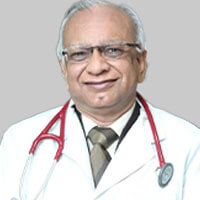
Dr. Sunil Sobti
MBBS, MD-General Medicine
 Free Consultation
 40 Years Experience
 Pristyn Care Elantis Hospital, Lajpat Nagar, Delhi
Dr Pratima Verma
MBBS
Free Consultation 34 Years Experience Pristyn Care Elantis Hospital, Lajpat Nagar, Delhi MEDICAL INSIGHT
Vomiting causes: infections, medications, motion sickness, disorders.
Vomiting may arise from infections, medications, motion sickness, or digestive issues. Common triggers include pregnancy, food poisoning, and inner ear problems.
Gastroenteritis, often caused by viral or bacterial infections, is a frequent cause of vomiting.
 Virus-induced nausea.
 Toxic food reaction.
 Travel-induced nausea.
 Drug-induced nausea.
Ready to get the right care?
At-risk individuals for vomiting: who should be concerned?
Vomiting risk is heightened in individuals with specific conditions or lifestyles.

Vomiting in expectant mothers is common.
Many pregnant women experience morning sickness, especially in the first trimester.

Vomiting often affects young kids.
Viral infections commonly cause vomiting in children.

Vomiting is common in cancer patients.
Nausea and vomiting are frequent side effects of chemotherapy and radiation.

Vomiting in those prone to motion.
Vomiting is frequent in those sensitive to motion or with inner ear issues.

The Critical Phase
Get medical help fast if vomiting is ongoing, has blood, or comes with severe pain or confusion.
ALWAYS HOSPITALIZE HIGH-RISK PATIENTS
Issues
Untreated persistent or severe vomiting may result in serious health issues.

Fluid depletion
Excessive vomiting leads to fluid loss, causing dizziness, dry mouth, and less urine.

Electrolyte imbalance
Loss of sodium and potassium disrupts nerve and muscle function, leading to weakness or irregular heartbeat.

Esophagus injury
Frequent vomiting can irritate or tear the esophagus lining, causing pain or bleeding.

 Nearest Clinic
Therapy & Healing
Advanced methods for managing vomiting and promoting quicker recovery

Fluid Intake Focus
Gradually consume clear liquids to avoid dehydration.

Nutritional Measures
Adopt a mild diet including toast, rice, and bananas.

Pharmacological Aid
Doctors may prescribe antiemetics to alleviate nausea.


Advanced In-Patient Care
Enhanced treatment involves IV fluids, anti-nausea medication, and monitoring for persistent vomiting causes.
 CRITICAL ALERT
Consult a healthcare professional promptly for severe or ongoing vomiting.
 Avoid Ibuprofen
 Avoid Solid Food
 Avoid Self-Medication
Consult a professional before any medication.
Urgent intervention needed for severe or persistent vomiting.
If vomiting is intense, ongoing, or with concerning signs, get emergency help.
 Emergency Hotline


Preventing vomiting: Your best defense against this condition.
Effective reduction of vomiting risk through simple daily habits.

Consume small meals often.
Eat small, frequent meals to prevent stomach overload.

Maintain fluid intake.
Regularly drink clear fluids for better digestion.

Eliminate nausea triggers.
Avoid spicy, fatty foods and strong smells to reduce nausea.

Observe good hygiene.
Frequent hand washing helps prevent vomiting-causing infections.


Your health is our
sole priority.
Need Expert Medical Consultation?
Our network of vomiting specialists are available for immediate clinical evaluation and personalized recovery planning.

Frequently Asked Questions
In adults, vomiting often results from infections, food poisoning, motion sickness, medications, or conditions like acid reflux and gastrointestinal disorders.
Consult a healthcare provider if vomiting lasts over 24 hours, shows blood, is paired with severe pain, high fever, or dehydration signs like dizziness or dry mouth.
 Call Us
 Book Appointment


