
- Specialities
- Urology
- Gynaecology
- Proctology
- Aesthetics
- Orthopedics
- Fertility
- Ent
- Vascular
- Ophthalmology
- Dermatology
 080-6541-4450
Eswl Treatment in Ghaziabad
Treatment & Care
Effective ESWL therapy in Ghaziabad provides a non-invasive method for kidney stones, ensuring high success rates and quick recovery.

 Call Us: 080-6541-4450
Advanced ESWL therapy for kidney stones in Ghaziabad.
In Ghaziabad, ESWL (Extracorporeal Shock Wave Lithotripsy) provides a cutting-edge, non-invasive solution for kidney and urinary stones. This advanced method uses targeted shock waves to fragment stones, facilitating their natural expulsion. As a minimally invasive technique, ESWL boasts high success rates without the need for surgical cuts. Patients typically return to their regular activities within days. Ghaziabad's adoption of contemporary ESWL technology, coupled with expert urological care, ensures safer and more accessible stone treatment for those pursuing effective, evidence-based solutions.
ESWL Complications: Warning Signs to Watch For
Identify early warning signs post-ESWL to ensure prompt medical attention.

Extreme discomfort
Severe pain in the abdomen or flank post-ESWL.

Hematuria presence
Hematuria lasting more than a few days.

Elevated body temperature
Fever exceeding 101°F could indicate infection.

Obstruction in urinary flow
Challenges or failure to urinate.

Queasiness or emesis
Extended nausea following the procedure.

Edema or contusion
Uncommon bruising around the treated site.


Warning Signs of Severe Kidney Stones
Seek Emergency Care Immediately if:
Seek Emergency Care Immediately if:
 Immediate care needed for severe ESWL pain. Attention required for heavy bleeding post-ESWL. High fever post-ESWL may indicate infection. Care needed for blocked urine flow after ESWL. Evaluation needed for intense nausea post-ESWL.
- Immediate care needed for severe ESWL pain.
- Attention required for heavy bleeding post-ESWL.
- High fever post-ESWL may indicate infection.
- Care needed for blocked urine flow after ESWL.
- Evaluation needed for intense nausea post-ESWL.
Meet Our Best Kidney Stones Specialists
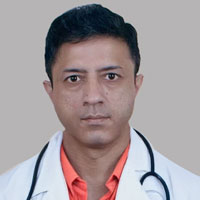
Dr. Vipin Nagpal
MBBS, MS-General Surgery
 Free Consultation
 31 Years Experience
 Pristyn Care Elantis Hospital, Lajpat Nagar, Delhi
Dr. Daipayan Ghosh
MBBS, DNB-General Surgery
Free Consultation 23 Years Experience Pristyn Care Sheetla Hospital, Sector 8, Gurgaon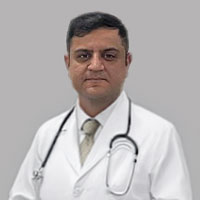
Dr. Rajiv Khurana
MBBS, MS-General Surgery
Free Consultation 15 Years Experience Pristyn Care Sheetla Hospital, Sector 8, Gurgaon MEDICAL INSIGHT
Underlying reasons for ESWL treatment of kidney stones.
ESWL addresses kidney stones from mineral deposits, dehydration, high-sodium diets, and metabolic issues. Risk factors encompass obesity, family history, and frequent urinary tract infections.
Calcium oxalate stones, often due to diet and low fluid intake, are the most prevalent type.
 Lack of hydration
 Diet rich in salt
 Inherited trait
 Metabolic issue
Ready to get the right care?
At-Risk Individuals?
Health and lifestyle factors increase the likelihood of needing ESWL for kidney stones.

Individuals Prone to Kidney Stone Formation
Candidates for ESWL treatment often have a history of calcium or uric acid kidney stones.

People with Chronic Dehydration Issues
ESWL is often needed for those with chronic low fluid intake, leading to concentrated urine and higher stone risk.

Consumers of High-Protein Diets
ESWL intervention may be required for individuals with elevated stone risk due to excess animal protein or sodium intake.

Patients with Metabolic Conditions
ESWL therapy may benefit those with hyperparathyroidism or gout, conditions linked to higher stone recurrence rates.

The Critical Phase
Patients experiencing fever, severe pain, or obstructed urine flow after ESWL must obtain prompt medical assessment to avoid significant kidney injury.
ALWAYS HOSPITALIZE HIGH-RISK PATIENTS
Possible issues following Extracorporeal Shock Wave Lithotripsy.
Gaining insight into the possible hazards and adverse reactions of Extracorporeal Shock Wave Lithotripsy to make well-informed choices about treatment.

Urine blood
Post-ESWL, blood in urine often clears in 24–48 hours with proper hydration.

Stone pieces
Leftover stone pieces can lead to ureteral blockage, necessitating further treatment.

Renal contusion
Minor kidney bruising or hematoma may happen, typically treated with rest.

 Nearest Clinic
Recovery & ESWL Treatment: Effective Kidney Stone Solution.
Swift recovery for most patients with non-invasive kidney stone removal.

ESWL Treatment
Kidney stones are fragmented by shock waves for easier passage.

Post-ESWL Recovery
Routine activities are usually resumed within days after ESWL.

Post-ESWL Monitoring
Imaging checks ensure effective stone removal post-treatment.


Advanced In-Patient Care
High success rates and minimal downtime are achieved with advanced, minimally invasive ESWL using real-time imaging for precise stone targeting.
 CRITICAL ALERT
Refrain from NSAIDs after ESWL. Maintain hydration and adhere to your urologist's guidelines.
 Avoid Ibuprofen
 Keep Hydrated
 Rest Recommended
Consult a professional before any medication.
Urgent Intervention Needed
If ESWL leads to intense pain, significant bleeding, or kidney infection symptoms, seek immediate medical attention.
 Emergency Hotline


Guard against kidney stones through prevention and early ESWL.
Adopt healthy habits and timely ESWL to lower kidney stone risk.

Keep Hydrated
Consume 8–10 glasses of water daily to eliminate minerals and prevent stone formation.

Reduce Salt Consumption
Lower sodium intake to decrease calcium accumulation and reduce kidney stone risk.

Maintain Balanced Diet
Avoid foods high in oxalate and keep a diet low in animal protein for kidney health.

Frequent Medical Visits
Arrange regular urology check-ups to identify stones early and prevent ESWL complications.
What Our Patients Say
Based on 7 Recommendations | Rated 4.7 Out of 5



Your health is our
sole priority.
Need Expert Medical Consultation?
Our network of Kidney Stones specialists are available for immediate clinical evaluation and personalized recovery planning.

Frequently Asked Questions
Extracorporeal Shock Wave Lithotripsy (ESWL) is a non-invasive method for treating kidney stones by using shock waves to fragment them, facilitating their natural passage through urine.
ESWL is recommended for patients with small to medium kidney or ureteral stones. A urologist assesses stone size, location, and kidney function before suggesting this minimally invasive treatment.
 Call Us
 Book Appointment


