
- Specialities
- Urology
- Gynaecology
- Proctology
- Aesthetics
- Orthopedics
- Fertility
- Ent
- Vascular
- Ophthalmology
- Dermatology
 080-6541-4455
Foreskin-infection Treatment in Hodal
Treatment & Care
Effective foreskin infection treatment in hodal with modern, minimally invasive methods for quick relief and rapid recovery.

 Call Us: 080-6541-4455
Effective foreskin infection treatment available in hodal.
Foreskin infection, termed balanitis or posthitis, leads to redness, swelling, and discomfort, necessitating immediate medical care. In hodal, advanced treatment options are available for managing foreskin infections through safe, modern methods. Skilled specialists provide minimally invasive procedures with high success rates, ensuring accurate diagnosis and effective care. Most patients return to their routine activities within a few days post-treatment. Early consultation aids in preventing complications and promotes quicker recovery.
Identifying foreskin infection: key warning signs to watch.
Early detection of foreskin infection symptoms ensures prompt medical intervention.

Inflammation and swelling noted.
Redness visible around foreskin region.

Abnormal discharge observed.
Thick, malodorous discharge present.

Discomfort or tenderness felt.
Pain or soreness at foreskin tip.

Itchiness or burning sensation.
Ongoing itching or burning feeling.

Challenges in foreskin retraction.
Foreskin tightness, difficult to retract.

Skin lesions or ulcers present.
Open sores or ulcers on foreskin.


Warning Signs of Severe Circumcision
Seek Emergency Care Immediately if:
Seek Emergency Care Immediately if:
 Noticed severe swelling and pus discharge. Experiencing high fever and painful swelling. Infection causing inability to urinate. Urgent care needed for stuck retracted foreskin. Redness spreading with a foul odor noted.
- Noticed severe swelling and pus discharge.
- Experiencing high fever and painful swelling.
- Infection causing inability to urinate.
- Urgent care needed for stuck retracted foreskin.
- Redness spreading with a foul odor noted.
Meet Our Best Circumcision Specialists

Dr. Vipin Nagpal
MBBS, MS-General Surgery
 Free Consultation
 31 Years Experience
 Pristyn Care Elantis Hospital, Lajpat Nagar, Delhi
Dr. Daipayan Ghosh
MBBS, DNB-General Surgery
Free Consultation 23 Years Experience Pristyn Care Sheetla Hospital, Sector 8, Gurgaon
Dr. Rajiv Khurana
MBBS, MS-General Surgery
Free Consultation 15 Years Experience Pristyn Care Sheetla Hospital, Sector 8, Gurgaon MEDICAL INSIGHT
Foreskin infection causes: bacterial, fungal, or viral pathogens.
Posthitis, or foreskin infection, arises from bacterial, fungal, or viral agents. Risk is heightened by poor hygiene, smegma accumulation, and a tight foreskin. Diabetes and compromised immunity are significant risk factors.
Candida fungus is responsible for up to 35% of foreskin infections, particularly in diabetic or immunocompromised men.
 Lack of cleanliness
 Fungus-related issue
 Constricted foreskin
 Lowered immune defense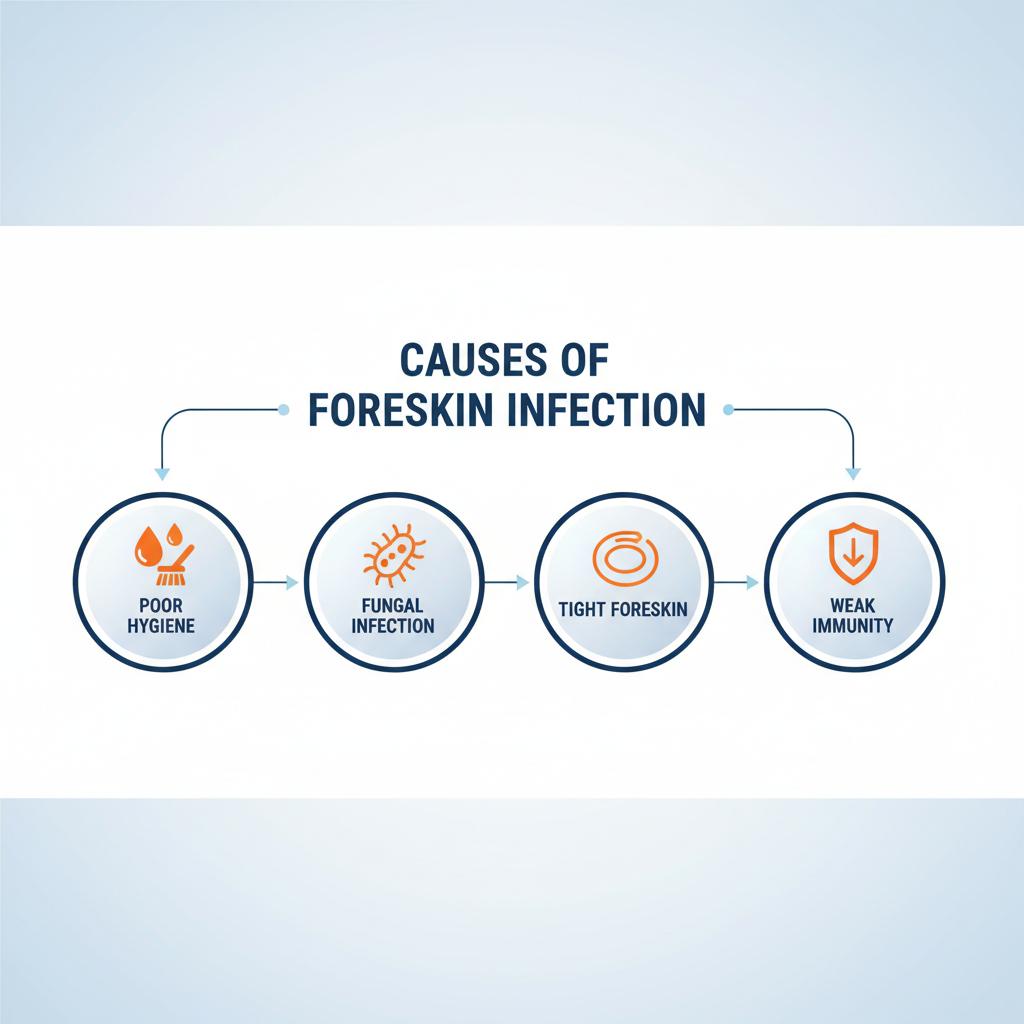
Ready to get the right care?
At-Risk Individuals?
Some people face higher chances of foreskin infections due to hygiene, health, or lifestyle reasons.

Males with intact foreskin
Moisture and bacteria build-up under the foreskin increase infection risk in uncircumcised men.

Individuals with diabetes
Elevated blood sugar levels foster fungal and bacterial growth, heightening foreskin infection risk.

Inadequate cleanliness practices
Poor genital hygiene enables harmful microbes to flourish, leading to painful foreskin inflammation.

Adults engaging in sexual activity
Unprotected sex increases exposure to infections, causing foreskin irritation and swelling.

The Critical Phase
Immediate medical assessment is crucial for worsening symptoms. Early treatment effectively prevents severe foreskin infection complications.
ALWAYS HOSPITALIZE HIGH-RISK PATIENTS
Foreskin Infection Complications: What You Should Know
Neglecting foreskin infections may result in severe penile and general health issues.

Phimosis danger
Repeated infections can scar, causing phimosis, a tightened, non-retractable foreskin.

Sepsis danger
Severe, untreated foreskin infections may spread to the bloodstream, causing systemic infection.

Tissue harm
Chronic inflammation can cause permanent tissue damage, impacting urinary and sexual health.

 Nearest Clinic
Foreskin Infection: Treatment and Recovery Insights
Explore effective treatments and recovery advice for foreskin infection relief.

Antifungal creams
Effective treatment of foreskin infections with topical antifungal or antibiotic creams.

Oral antibiotics
High success rates in treating bacterial foreskin infections with prescribed oral antibiotics.

Circumcision option
Recurring foreskin infections may be treated with minimally invasive circumcision.


Advanced In-Patient Care
Effective treatment for severe foreskin infections is available through advanced laser-assisted techniques, allowing most patients to return to routine activities within days.
 CRITICAL ALERT
Refrain from self-treatment. Unmanaged foreskin infections can escalate, necessitating sophisticated medical intervention.
 Avoid Self-Care
 Avoid Tight Clothes
 Seek Prompt Care
Consult a professional before any medication.
Urgent action needed for foreskin infection treatment.
Prompt medical attention is crucial for severe foreskin infection to avoid complications.
 Emergency Hotline


Prevention: Optimal Defense Against Foreskin Infections
Maintaining proper hygiene and prompt care effectively prevent foreskin infections.

Daily cleanliness
Daily cleaning under the foreskin helps remove bacteria and lowers infection risk.

Maintain dryness
Dry the area after bathing or urination to prevent fungal growth from moisture.

Adopt safe habits
Using protection during intimacy reduces the risk of sexually transmitted infections.

Early medical help
Visit a urologist at the first signs to avoid symptom worsening.
What Our Patients Say
Based on 7 Recommendations | Rated 4.7 Out of 5



Your health is our
sole priority.
Need Expert Medical Consultation?
Our network of Circumcision specialists are available for immediate clinical evaluation and personalized recovery planning.

Frequently Asked Questions
Infections of the foreskin arise from bacteria, fungi, or inadequate hygiene, leading to conditions like balanitis, which cause inflammation, redness, and discharge. Timely diagnosis and effective treatment are crucial for managing symptoms efficiently.
Physicians assess symptoms and may perform swab tests or urine analysis. Accurate diagnosis identifies bacterial or fungal causes, facilitating targeted and effective treatment for foreskin infections, promoting faster recovery.
 Call Us
 Book Appointment


