
- Specialities
- Urology
- Gynaecology
- Proctology
- Aesthetics
- Orthopedics
- Fertility
- Ent
- Vascular
- Ophthalmology
- Dermatology
 080-6541-7867
Thyroidectomy Treatment in Jewar
Treatment & Care
Effective thyroid removal in jewar with high success rates and quick recovery using advanced surgical techniques.

 Call Us: 080-6541-7867
Advanced Thyroidectomy Procedures Available in jewar
In jewar, thyroidectomy, a surgery to remove part or all of the thyroid gland, is often advised for conditions like thyroid cancer, goiter, or hyperthyroidism. Patients benefit from advanced, minimally invasive techniques that ensure effective results and quicker recovery. Conducted by skilled surgical teams after comprehensive diagnostics, this procedure in jewar is designed for optimal patient outcomes. Most individuals return to their regular activities shortly after the surgery. For trustworthy thyroid treatment in jewar, seek a qualified specialist for tailored care.
Post-Thyroidectomy Warning Signs to Watch For
Identify early warning signs post-thyroidectomy to ensure timely medical attention and a safer recovery process.

Swelling in the neck area.
Quick swelling could mean internal bleeding.

Cramps in muscles noted.
Cramps might show low calcium levels.

Trouble with breathing observed.
Get help if you feel suddenly breathless.

Changes in voice detected.
Hoarseness might mean nerve involvement.

Feeling of tingling noted.
Numbness could mean parathyroid change.

Fever at a high temperature.
Fever might show an infected wound.


Warning Signs of Severe Thyroidectomy
Seek Emergency Care Immediately if:
Seek Emergency Care Immediately if:
 Sudden airway blockage after thyroid removal. Severe low calcium levels lead to spasms. Excessive bleeding at the surgery area. Thyroid crisis with fast heartbeat onset. Voice box nerve damage causes noisy breathing.
- Sudden airway blockage after thyroid removal.
- Severe low calcium levels lead to spasms.
- Excessive bleeding at the surgery area.
- Thyroid crisis with fast heartbeat onset.
- Voice box nerve damage causes noisy breathing.
Meet Our Best Thyroidectomy Specialists

Dr. Richa Mina
MBBS, DLO | Otorhinolaryngologist
 Free Consultation
 21 Years Experience
 Pristyn Care La Midas, Main, Nathupur Rd, nr. 38, DLF Phase 3, Sector 24, Gurugram, Haryana 122002
Dr. Pratibha Desai
MBBS, DLO & DNB-ENT
Free Consultation 15 Years Experience Pristyn Care Elantis Hospital, Lajpat Nagar, Delhi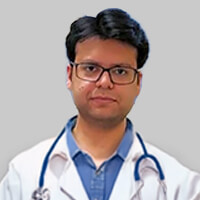
Dr. Abhishek Mittal
MBBS, MS-ENT
Free Consultation 12 Years Experience 140, Pocket 11, Sector 24, Rohini MEDICAL INSIGHT
Reasons for undergoing thyroidectomy surgery.
Surgical removal of the thyroid is commonly advised for thyroid cancer, significant goiters, hyperthyroidism, or concerning nodules. Autoimmune disorders such as Graves' disease might necessitate surgical treatment for better control.
Thyroid cancer and unmanageable hyperthyroidism are primary medical reasons for thyroidectomy.
 Thyroid Malignancy
 Graves' Condition
 Thyroid Growths
 Enlarged Thyroid
Ready to get the right care?
Identifying individuals who may need thyroid surgery.
Recognizing conditions that may necessitate thyroid surgery aids in early detection and appropriate medical intervention.

Patients with thyroid cancer diagnosis
Thyroidectomy is often the main treatment for those diagnosed with thyroid cancer.

Patients suffering from goiter
Surgical removal may be needed for those with enlarged thyroid glands causing difficulties.

Cases of hyperthyroidism
Thyroidectomy may be advised for those with overactive thyroid not responding to medication.

Patients with thyroid nodules
Surgery may be required for patients with suspicious or large thyroid nodules.

The Critical Phase
Critical first 24–48 hours after thyroidectomy; close monitoring ensures early complication detection and patient safety.
ALWAYS HOSPITALIZE HIGH-RISK PATIENTS
Post-surgery issues
Knowing possible risks post-thyroidectomy aids informed choices and prompt medical attention.

Calcium deficiency risk
Affected parathyroid glands may lead to low calcium, causing cramps or tingling, needing treatment.

Possible nerve damage
Damage to the recurrent laryngeal nerve may result in voice changes or hoarseness, often resolving with care.

Risk of bleeding/infection
Though rare, post-surgery bleeding or infection needs quick medical care for a safe recovery.

 Nearest Clinic
Thyroidectomy: Procedure, Treatment, and Recovery Insights.
Skilled surgeons use cutting-edge methods for efficient thyroid removal.

Surgical Procedure
Thyroidectomy can be minimally invasive or open, condition-dependent.

Post-Surgery Duration
Patients typically leave the hospital 1–2 days after surgery.

Time to Heal
Patients usually return to normal activities within days.
 CRITICAL ALERT
Avoid intense activities and watch for infection or swelling after surgery.
 No Ibuprofen.
 Avoid lifting.
 Rest recommended.
Consult a professional before any medication.
Urgent Action Needed
If severe symptoms arise post-thyroidectomy, seek immediate medical attention for potential complications.
 Emergency Hotline


Prevention: Optimal Defense Against Thyroid Issues
Regular thyroid checks and early detection can lower thyroidectomy necessity.

Periodic Evaluations
Early detection of thyroid issues through regular screenings aids timely management.

Nutritious Eating
Sufficient iodine consumption promotes thyroid wellness and could decrease disorder risks.

Minimize Radiation
Reducing neck radiation exposure may lower long-term thyroid cancer risk.

Understand Ancestry
Consider genetic counseling for early thyroid cancer screening if it's familial.
What Our Patients Say
Based on 12 Recommendations | Rated 4.6 Out of 5



Your health is our
sole priority.
Need Expert Medical Consultation?
Our network of Thyroidectomy specialists are available for immediate clinical evaluation and personalized recovery planning.

Frequently Asked Questions
Effective treatment for thyroid cancer, goiter, hyperthyroidism, or suspicious nodules often involves thyroidectomy, a surgery to remove part or all of the thyroid gland.
Thyroidectomy may be recommended for patients with thyroid cancer, large goiters, overactive thyroid, or nodules affecting breathing, following a thorough evaluation and diagnostic tests by your surgeon.
 Call Us
 Book Appointment


