
- Specialities
- Urology
- Gynaecology
- Proctology
- Aesthetics
- Orthopedics
- Fertility
- Ent
- Vascular
- Ophthalmology
- Dermatology
 080-6541-4491
Varicose-veins Treatment in Jewar
Treatment & Care
Advanced varicose veins treatment in jewar with minimally invasive methods for effective relief and quicker recovery.

 Call Us: 080-6541-4491
Effective Varicose Veins Solutions Available in jewar
Varicose veins, characterized by swollen and twisted veins often in the legs, can lead to discomfort, pain, and skin alterations. Timely diagnosis and effective treatment can greatly enhance one's quality of life. In jewar, cutting-edge treatments for varicose veins, including minimally invasive laser-assisted procedures, are accessible. These advanced methods provide high success rates and shorter recovery periods. They accurately target problematic veins, leading to improved results. Most patients return to their regular activities within a few days post-treatment, making these options both convenient and effective for managing long-term vein health.
Identifying Varicose Veins: Key Warning Indicators
Early detection of varicose vein symptoms aids in prompt diagnosis and effective management.

Prominent, twisted veins are visible.
Rope-like, bulging veins beneath the skin.

Experiencing leg pain or discomfort.
Continuous heaviness or dull ache in legs.

Ankles appear swollen.
Significant swelling around ankles or feet.

Changes in skin color noted.
Dark or discolored skin near vein areas.

Itching sensation around veins.
Ongoing itching over vein-affected regions.

Nighttime leg cramps occur.
Regular leg cramping or throbbing sensations.


Warning Signs of Severe Varicose Veins
Seek Emergency Care Immediately if:
Seek Emergency Care Immediately if:
 Intense bleeding from a varicose vein suddenly. Severe leg pain due to deep vein thrombosis. Active infection signs in a skin ulcer. Rapid blood loss from a ruptured vein. Acute swelling, redness, and warmth noted.
- Intense bleeding from a varicose vein suddenly.
- Severe leg pain due to deep vein thrombosis.
- Active infection signs in a skin ulcer.
- Rapid blood loss from a ruptured vein.
- Acute swelling, redness, and warmth noted.
Meet Our Best Varicose Veins Specialists
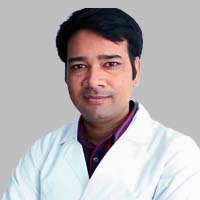
Dr. Pankaj Sareen
MBBS, MS - General Surgery
 Free Consultation
 24 Years Experience
 Pristyn Care Diyos Hospital, Safdarjung Enclave, Delhi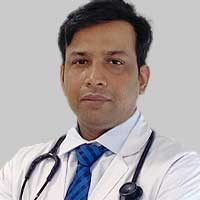
Dr. Piyush Sharma
MBBS, MS-General Surgery
Free Consultation 16 Years Experience Pristyn Care Diyos Hospital, Safdarjung Enclave, Delhi.jpg/1716976963722_ban-Icon.png)
Dr. Ankur Agrawal
MBBS, MS- General Surgery, M.Ch- Cardiovascular surgeon
Free Consultation 12 Years Experience Pristyn Care Elantis Hospital, Lajpat Nagar, Delhi MEDICAL INSIGHT
Varicose veins: causes and risk factors explained.
Varicose veins arise from weakened vein valves, leading to blood pooling and vein enlargement. Major risk factors encompass prolonged standing, obesity, pregnancy, and aging.
The main medical cause of varicose veins is weak or damaged venous valves, often influenced by genetic factors.
 Ineffective vein valves
 Hereditary predisposition
 Extended standing periods
 Increased obesity danger
Ready to get the right care?
Identifying individuals at risk for varicose vein development.
Awareness of risk factors for varicose veins aids early prevention.

Hereditary factors
Genetic factors significantly elevate the risk of varicose veins over time.

Extended periods of standing
Occupations involving prolonged standing, such as teaching or nursing, can heighten leg venous pressure.

Gestational changes
Pregnancy-related hormonal shifts and increased blood volume often lead to varicose vein formation.

Weight issues and aging
Excessive weight and aging naturally weaken vein walls, significantly increasing varicose vein risk.

The Critical Phase
Timely diagnosis and evidence-based treatment, including minimally invasive methods, can effectively lower the risk of serious complications.
ALWAYS HOSPITALIZE HIGH-RISK PATIENTS
Potential issues
If left untreated, varicose veins can cause severe complications impacting skin, circulation, and vein health.

Skin Ulcers
Elevated venous pressure can lead to painful leg ulcers near the ankle, necessitating timely medical care for effective healing.

Blood Clots
Superficial thrombophlebitis can occur, resulting in swelling and redness, with potential deeper vein complications if not treated.

Bleeding Risk
Varicose veins near the skin surface may bleed heavily from minor injuries, demanding prompt medical assessment.

 Nearest Clinic
Varicose Veins: Treatment and Recovery Insights
Discover advanced, minimally invasive solutions for varicose vein relief.

Laser therapy
Laser-assisted therapy targets damaged veins with high success rates.

Vein injection therapy
Injection-based treatment helps close affected veins effectively.

Post-procedure advice
Most patients resume routine activities within a few days.


Advanced In-Patient Care
Our experts employ cutting-edge, minimally invasive methods for safer varicose vein treatments and quicker recovery.
 CRITICAL ALERT
Avoid standing for long periods and seek medical advice if swelling or pain increases after treatment.
 Avoid Ibuprofen
 Avoid Hot Baths
 Avoid Long Sits
Consult a professional before any medication.
Urgent Care Needed
If sudden pain, bleeding, or skin changes occur with varicose veins, seek immediate medical attention to avoid severe complications.
 Emergency Hotline


Guard against varicose veins through proactive prevention measures.
Adopting straightforward lifestyle changes can significantly lower varicose vein risk.

Daily physical activity advised
Walking regularly enhances leg blood flow and prevents vein pressure increase.

Lift legs to ease pressure
Elevating legs above heart level decreases venous pressure and promotes blood flow.

Use compression garments
Wearing compression stockings aids vein health and minimizes leg swelling.

Keep a healthy weight
Maintaining a balanced weight reduces leg vein pressure, decreasing varicose vein risk.
What Our Patients Say
Based on 12 Recommendations | Rated 4.8 Out of 5



Your health is our
sole priority.
Need Expert Medical Consultation?
Our network of Varicose Veins specialists are available for immediate clinical evaluation and personalized recovery planning.

Frequently Asked Questions
Visible under the skin, varicose veins are enlarged and twisted, often found in the legs. They arise from weakened valves leading to poor blood flow, potentially causing pain, swelling, or discomfort.
Modern treatments such as laser therapy, sclerotherapy, and minimally invasive procedures effectively target damaged veins. These techniques offer high success rates with minimal impact on daily activities.
 Call Us
 Book Appointment


