
- Specialities
- Urology
- Gynaecology
- Proctology
- Aesthetics
- Orthopedics
- Fertility
- Ent
- Vascular
- Ophthalmology
- Dermatology
 080-6541-4467
Hydrocele Treatment in Kundli
Treatment & Care
Advanced, minimally invasive hydrocele treatment in Kundli offers high success rates and quick recovery for most patients.

 Call Us: 080-6541-4467
Effective Hydrocele Treatment Available in Kundli for Patient Relief.
Fluid buildup around the testicle, known as hydrocele, leads to scrotal swelling and discomfort. Early diagnosis and treatment are crucial to avoid complications. In Kundli, patients benefit from advanced, minimally invasive hydrocele treatments with high success rates. Utilizing modern surgical techniques, including minimally invasive methods, ensures effective fluid removal with minimized risks. Most patients return to their routine activities within a few days after the procedure. Our patient-centric approach emphasizes accurate diagnosis, safe treatment, and smooth recovery for lasting relief.
Beware: Hydrocele Warning Signs to Watch For.
Identify early hydrocele symptoms promptly for timely diagnosis and effective treatment options.

Swelling in the scrotal area.
Scrotum shows painless enlargement.

Feeling of heaviness in scrotum.
Sensation of dragging in scrotal region.

Noticeable change in scrotal size.
Scrotum looks larger by day's end.

Experience of mild discomfort.
Groin area feels dull ache or pressure.

Lump filled with fluid present.
Smooth, soft lump detected in scrotum.

Redness or warmth in scrotal skin.
Scrotal skin feels warm or appears red.


Warning Signs of Severe Hydrocele
Seek Emergency Care Immediately if:
Seek Emergency Care Immediately if:
 Intense scrotal swelling and abrupt pain. Testicular torsion signs with hydrocele. Breathing problems from fast hydrocele growth. Fever and redness in an infected hydrocele. Acute pain in trauma-related hydrocele.
- Intense scrotal swelling and abrupt pain.
- Testicular torsion signs with hydrocele.
- Breathing problems from fast hydrocele growth.
- Fever and redness in an infected hydrocele.
- Acute pain in trauma-related hydrocele.
Meet Our Best Hydrocele Specialists

Dr. Vipin Nagpal
MBBS, MS-General Surgery
 Free Consultation
 31 Years Experience
 Pristyn Care Elantis Hospital, Lajpat Nagar, Delhi
Dr. Daipayan Ghosh
MBBS, DNB-General Surgery
Free Consultation 23 Years Experience Pristyn Care Sheetla Hospital, Sector 8, Gurgaon
Dr. Rajiv Khurana
MBBS, MS-General Surgery
Free Consultation 15 Years Experience Pristyn Care Sheetla Hospital, Sector 8, Gurgaon MEDICAL INSIGHT
Hydrocele causes: fluid buildup around the testicle.
Fluid accumulation around the testicle leads to hydrocele. In newborns, this often happens due to incomplete closure of the processus vaginalis. In adults, causes may include infection, injury, or inflammation.
Infant hydrocele is usually congenital and often resolves naturally within the first year.
 Birth-related anomaly
 Testicular trauma
 Epididymis inflammation
 Blocked lymphatic flow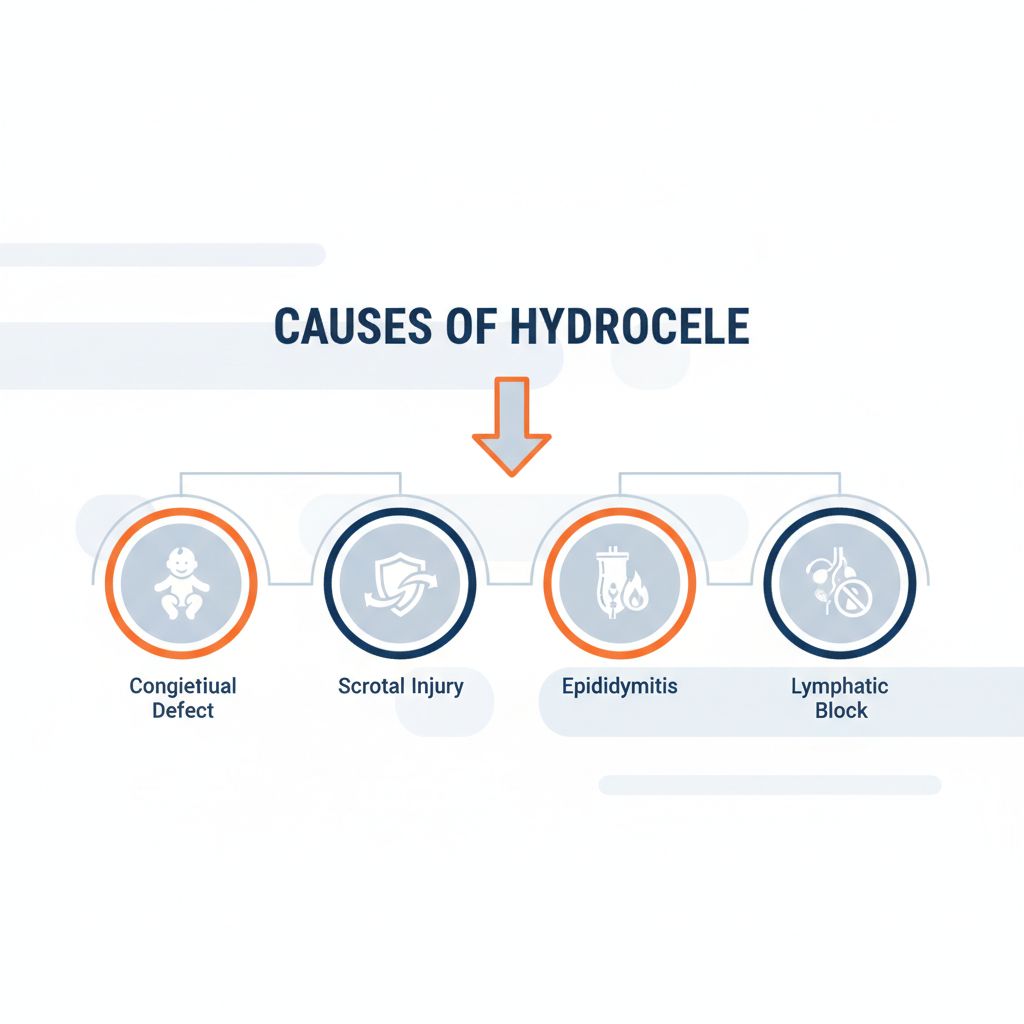
Ready to get the right care?
Identifying individuals at risk for hydrocele development.
Hydrocele may occur in males of any age, though some groups are more susceptible due to particular health and lifestyle conditions.

Infants and newborns commonly affected
Hydrocele often occurs in premature babies due to incomplete closure of processus vaginalis.

Risk increases in older adult males
Scrotal injury, infection, or inflammation can cause hydrocele in men over 40.

Hydrocele linked to infection or injury
Secondary hydrocele can result from scrotal trauma, epididymitis, or parasitic infections.

Hydrocele risk after surgery
Hydrocele may develop post inguinal hernia repair or scrotal surgeries.

The Critical Phase
Prompt treatment with safe, minimally invasive methods prevents complications and aids quicker recovery for most patients.
ALWAYS HOSPITALIZE HIGH-RISK PATIENTS
Potential issues
If left untreated, hydrocele can cause discomfort, infection, or fertility issues. Early detection minimizes serious complications.

Infection possibility
Pain and swelling from secondary infection necessitate immediate medical care and antibiotics.

Fertility consequences
Long-term hydrocele can impact testicular function, possibly affecting sperm quality and male fertility.

Hernia development
Inguinal hernia may accompany a communicating hydrocele, requiring surgical assessment for proper treatment.

 Nearest Clinic
Hydrocele: Treatment and Recovery Insights
Explore effective surgical and non-surgical hydrocele treatments with quick recovery.

Surgery Care
Minimally invasive hydrocelectomy provides high success rates.

Post-Surgery Advice
Routine activities are usually resumed within days after surgery.

Post-Op Care
Regular follow-ups aid in effective healing and recurrence prevention.


Advanced In-Patient Care
Effective hydrocele treatment employs advanced, safe surgical techniques for quicker recovery in most patients.
 CRITICAL ALERT
Adhere to post-surgery guidelines and avoid rigorous physical activities.
 Avoid lifting.
 Avoid hot baths.
 Take meds daily.
Consult a professional before any medication.
Urgent intervention needed for sudden hydrocele symptom changes.
If hydrocele symptoms suddenly worsen, seek immediate medical evaluation to avoid severe complications.
 Emergency Hotline


Prevention: Optimal Defense Against Hydrocele Formation
Minimizing hydrocele risk requires good scrotal hygiene and prompt medical care.

Guard the groin region
Use protective gear in sports to minimize scrotal injury and inflammation.

Address infections promptly
Timely treatment of epididymitis or orchitis can prevent secondary hydrocele.

Frequent medical exams
Regular scrotal exams aid in early detection of fluid buildup for timely care.

Adopt hygiene habits
Good genital hygiene reduces infection risk, potentially preventing hydrocele.
What Our Patients Say
Based on 7 Recommendations | Rated 4.7 Out of 5



Your health is our
sole priority.
Need Expert Medical Consultation?
Our network of Hydrocele specialists are available for immediate clinical evaluation and personalized recovery planning.

Frequently Asked Questions
Scrotal swelling due to a fluid-filled sac around the testicle is known as a hydrocele. Typical signs include painless swelling, a feeling of heaviness, and discomfort. Early detection aids in effective treatment planning.
Diagnosis of hydrocele involves physical examination, transillumination, and scrotal ultrasound. These methods accurately confirm fluid accumulation and exclude other conditions such as hernia or testicular tumors.
 Call Us
 Book Appointment


