
- Specialities
- Urology
- Gynaecology
- Proctology
- Aesthetics
- Orthopedics
- Fertility
- Ent
- Vascular
- Ophthalmology
- Dermatology
 080-6541-4421
Piles Treatment in Loni
Treatment & Care
Advanced, minimally invasive piles treatment in loni ensures quicker recovery, allowing most patients to return to daily activities in a few days.

 Call Us: 080-6541-4421
Effective Piles Treatment in loni: Advanced, Minimally Invasive Options.
Haemorrhoids, commonly referred to as piles, involve swollen veins in the rectum or anus, leading to discomfort, bleeding, and pain. If neglected, they can disrupt daily activities. In loni, patients benefit from advanced, minimally invasive treatment options for piles, boasting high success rates. Contemporary methods, such as laser-assisted procedures, provide effective relief with reduced tissue damage. Most patients return to their regular routines within a few days. Early detection and prompt medical intervention are crucial for effective piles management and enhanced quality of life.
Beware: Indicators of Piles You Should Not Ignore.
Identifying initial symptoms of piles is crucial for prompt diagnosis and efficient treatment.

Blood in stool
Red blood seen during bowel movements.

Itchy anus
Ongoing itching in the anal region.

Anal pain
Aching or soreness near the rectum.

Anal swelling
Lump or swelling observed near anus.

Incomplete bowel movement
Sensation of incomplete bowel evacuation.

Anal mucus
Unusual mucus after passing stool.


Warning Signs of Severe Piles
Seek Emergency Care Immediately if:
Seek Emergency Care Immediately if:
 Rapid rectal bleeding, pads soak quickly. Pile prolapsed, unable to push back. Severe pain, fever, and rectal swelling. Thrombosed hemorrhoid, acute pain felt. Sudden painful stool passage difficulty.
- Rapid rectal bleeding, pads soak quickly.
- Pile prolapsed, unable to push back.
- Severe pain, fever, and rectal swelling.
- Thrombosed hemorrhoid, acute pain felt.
- Sudden painful stool passage difficulty.
Meet Our Best Piles Specialists
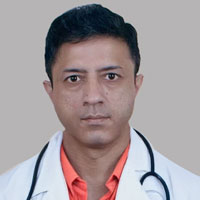
Dr. Vipin Nagpal
MBBS, MS-General Surgery
 Free Consultation
 31 Years Experience
 Pristyn Care Elantis Hospital, Lajpat Nagar, Delhi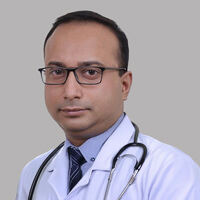
Dr. Daipayan Ghosh
MBBS, DNB-General Surgery
Free Consultation 23 Years Experience Pristyn Care Sheetla Hospital, Sector 8, Gurgaon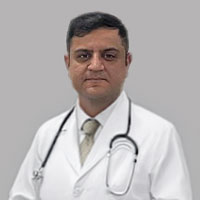
Dr. Rajiv Khurana
MBBS, MS-General Surgery
Free Consultation 15 Years Experience Pristyn Care Sheetla Hospital, Sector 8, Gurgaon MEDICAL INSIGHT
Hemorrhoid causes: chronic constipation, straining, low-fiber diet.
Hemorrhoids, or piles, arise from swollen veins in the rectum or anus, often due to heightened pressure. Contributing factors include chronic constipation, straining during bowel movements, a low-fiber diet, and extended periods of sitting.
Elevated intra-abdominal pressure is a significant medical factor associated with hemorrhoid development in most cases.
 Long-term constipation
 Diet low in fiber
 Extended sitting time
 Strain from pregnancy
Ready to get the right care?
Identifying individuals at higher risk for developing piles.
Various lifestyle and health conditions may elevate the likelihood of experiencing piles.

Long-term constipation
Excess rectal vein pressure from straining during bowel movements due to chronic constipation.

Piles risk in expectant mothers
Higher risk of internal or external piles due to increased abdominal pressure during pregnancy.

Inactive lifestyle impact
Slowed digestion and increased anal pressure from prolonged sitting or lack of physical activity.

Insufficient dietary fibre
Harder stools and difficult bowel movements from a low-fibre diet increase straining likelihood.

The Critical Phase
Postponing care raises severe complication risks; early specialist consultation promotes better results and quicker recovery for most.
ALWAYS HOSPITALIZE HIGH-RISK PATIENTS
Health issues from piles: understanding the complications.
Ignoring piles may result in severe health problems. Timely diagnosis and proper treatment lower the chances of complications.

Long-term low blood iron
Ongoing rectal bleeding due to piles can result in iron-deficiency anaemia, causing fatigue and weakness.

Severe trapped piles
Cutting off blood flow to protruding haemorrhoids can lead to severe pain and tissue damage, necessitating immediate medical attention.

Increased clot danger
Formation of blood clots within external piles leads to severe pain and swelling, often requiring quick medical or surgical treatment.

 Nearest Clinic
Piles Management & Healing Process
Proven, evidence-based care for quicker relief and easier recovery.

Therapy for medical issues
Using creams and sitz baths lessens swelling and discomfort.

Surgery with minimal invasion
Procedures using lasers show high success outcomes.

Advice for post-treatment
In a few days, most patients return to normal activities.


Advanced In-Patient Care
Grade III–IV piles can be treated with advanced, minimally invasive laser surgery, enabling quicker recovery for most patients.
 CRITICAL ALERT
Refrain from self-medicating with NSAIDs; seek professional advice for a safe treatment plan.
 Avoid Ibuprofen Avoid Straining
 Avoid Raw Diet
Consult a professional before any medication.
Act Now: Immediate Attention Needed for Piles Symptoms
Urgent medical care is advised for piles with heavy bleeding, severe pain, or infection signs.
 Emergency Hotline


Guard against piles: Prevention is your top defense.
Effective risk reduction of piles through simple lifestyle adjustments.

Diet rich in fiber
Consume fruits, veggies, and grains to ease bowel movements.

Maintain hydration levels
Daily water intake prevents constipation linked to piles.

Minimize straining efforts
Avoid straining during bowel movements to protect rectal veins.

Engage in regular activity
Exercise enhances bowel function and reduces rectal vein pressure.
What Our Patients Say
Based on 11 Recommendations | Rated 4.5 Out of 5



Your health is our
sole priority.
Need Expert Medical Consultation?
Our network of Piles specialists are available for immediate clinical evaluation and personalized recovery planning.

Frequently Asked Questions
Hemorrhoids, also known as piles, are swollen veins located in the rectum or anus. They are commonly caused by chronic constipation, straining during bowel movements, a low-fiber diet, and extended periods of sitting.
Signs of piles include rectal bleeding, itching, pain, and swelling around the anus. Internal piles may result in painless bleeding, whereas external piles often cause discomfort and irritation.
 Call Us
 Book Appointment


