
- Specialities
- Urology
- Gynaecology
- Proctology
- Aesthetics
- Orthopedics
- Fertility
- Ent
- Vascular
- Ophthalmology
- Dermatology
 080-6542-3714
Toenail-surgery Treatment in Loni
Treatment & Care
Advanced toenail surgery in loni offers safe, modern methods for quick relief from ingrown or damaged nails, ensuring rapid recovery for most patients.

 Call Us: 080-6542-3714
Advanced Toenail Surgery Solutions Available in loni
In loni, toenail surgery provides a reliable treatment for issues such as ingrown toenails, fungal infections, and nail injuries. Skilled professionals utilize advanced, minimally invasive methods to alleviate discomfort and promote nail recovery with significant success. Conducted under local anesthesia for patient ease, the surgery ensures a smooth experience. Typically, individuals return to their daily routines shortly after the procedure. Seeking early medical advice is advised for optimal results.
Post-toenail surgery warning signs to watch for.
Identify early post-toenail surgery symptoms for prompt care and enhanced recovery.

Ongoing redness
Redness expanding around the nail.

Abnormal swelling
Swelling that persists after 48 hours.

Pus or fluid leakage
Yellow or green fluid at the site.

Intense pain
Pain worsening despite rest.

Fever or shivering
Elevated body temperature.

Nail growth problems
Nail regrowth that is abnormal or curved.


Warning Signs of Severe toenail-surgery
Seek Emergency Care Immediately if:
Seek Emergency Care Immediately if:
 Severe infection: pus or spreading redness. Uncontrolled bleeding post-toenail removal. High fever after toenail surgery procedure. Intense nail pain from deep nail bed injury. Signs of abscess near the toenail area.
- Severe infection: pus or spreading redness.
- Uncontrolled bleeding post-toenail removal.
- High fever after toenail surgery procedure.
- Intense nail pain from deep nail bed injury.
- Signs of abscess near the toenail area.
Meet Our Best toenail-surgery Specialists

Dr. Vipin Nagpal
MBBS, MS-General Surgery
 Free Consultation
 31 Years Experience
 Pristyn Care Elantis Hospital, Lajpat Nagar, Delhi
Dr. Daipayan Ghosh
MBBS, DNB-General Surgery
Free Consultation 23 Years Experience Pristyn Care Sheetla Hospital, Sector 8, Gurgaon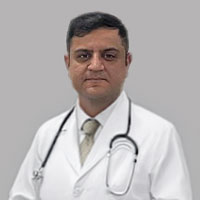
Dr. Rajiv Khurana
MBBS, MS-General Surgery
Free Consultation 15 Years Experience Pristyn Care Sheetla Hospital, Sector 8, Gurgaon MEDICAL INSIGHT
Reasons for toenail surgery: ingrown nails, infections, trauma.
Surgical intervention for toenails is frequently required due to ingrown nails, fungal infections, or trauma. Risk factors include tight footwear, improper nail trimming, and repeated pressure.
Ingrown toenails are a common cause necessitating surgical treatment in clinical settings.
 Embedded toenail issue
 Fungal nail problem
 Injury to the nail
 Snug shoe discomfort
Ready to get the right care?
At-Risk Individuals?
Specific conditions and behaviors heighten the chances of requiring toenail surgery for effective relief.

Susceptible to Ingrown Toenails
Curved or thick nails increase the likelihood of painful ingrown toenails that may need surgery.

Diabetes Patients at Risk
Diabetes impairs circulation and healing, elevating the risk of severe nail infections that may require surgery.

Active Individuals & Athletes
Frequent foot trauma from sports or tight shoes can harm toenails, often necessitating surgical treatment.

Fungal Nail Infection Cases
Persistent fungal nail infections unresponsive to medication may need surgical removal for effective treatment.

The Critical Phase
Critical first two weeks post-surgery; adhering to wound care guidelines greatly lowers complication risks.
ALWAYS HOSPITALIZE HIGH-RISK PATIENTS
Post-surgery issues
Knowing possible risks after toenail surgery aids patients in making well-informed choices and getting prompt medical attention.

Risk of infection
Redness or discharge from post-surgical infections can be effectively managed with timely antibiotic treatment.

Regrowth of the nail
In some cases, partial or abnormal nail regrowth may necessitate a follow-up procedure.

Extended healing time
Slower healing in patients with diabetes or poor circulation can be improved with close monitoring.

 Nearest Clinic
Healing & Care: Understanding Toenail Surgery Treatment.
Advanced toenail surgery using effective methods for quicker recovery.

Surgery Choices
Safe, minimally invasive methods for partial or total nail removal.

Aftercare Instructions
Maintain a clean, dry wound for optimal toenail recovery.

Expected Recovery Time
Routine activities often resume within days after surgery.


Advanced In-Patient Care
Experts employ cutting-edge methods for successful toenail surgery and provide thorough recovery assistance.
 CRITICAL ALERT
Minimize toe pressure and adhere strictly to your surgeon's post-op care guidelines.
 Avoid Ibuprofen
 Wear Loose Shoes
 Avoid Self-Care
Consult a professional before any medication.
Act Now: Immediate Attention Needed for Toenail Surgery
Urgent care is essential for toenail surgery issues to avoid infection and severe nail harm.
 Emergency Hotline


Prevention: Your top defense against toenail problems.
Adopting basic foot care routines can lower the chances of toenail complications.

Proper Nail Trimming
Cutting toenails straight across helps prevent ingrown nails.

Wear Properly Fitted Shoes
Select well-fitted shoes to minimize pressure on toenails.

Maintain Clean Feet
Daily washing and drying of feet reduces fungal infection risk.

Ensure Foot Protection
Use protective footwear in public to prevent nail injuries.
What Our Patients Say
Based on 7 Recommendations | Rated 4.7 Out of 5



Your health is our
sole priority.
Need Expert Medical Consultation?
Our network of toenail-surgery specialists are available for immediate clinical evaluation and personalized recovery planning.

Frequently Asked Questions
Toenail surgery, a procedure to address ingrown, infected, or damaged nails, involves partial or total nail removal using advanced techniques for effective pain relief and nail health restoration.
Surgical intervention is advised for persistent ingrown toenails, chronic infections, fungal damage, or trauma. It offers a high success rate when non-surgical treatments are ineffective.
 Call Us
 Book Appointment


